Compatible Vegetables That Will Boost Your Garden's Yield
Title: Compatible Vegetables That Will Boost Your Garden's Yield
Introduction:
Companion planting is a gardening technique that involves planting certain vegetables together to benefit each other. By planting compatible vegetables together, you can improve the growth, yield, and flavor of your crops.
There are many different benefits to companion planting. For example, some vegetables attract beneficial insects that help to control pests. Others help to improve the soil quality or suppress weeds. And still others simply help to make the most of your garden space by providing shade or support.
In this blog post, we will discuss some of the most compatible vegetables that you can plant together. We will also provide some tips on how to get started with companion planting.
Main Content:
Here are some of the most compatible vegetables that you can plant together:
- Beans and corn: Beans are nitrogen-fixing plants, which means that they can help to improve the nitrogen content of the soil. Corn, on the other hand, requires a lot of nitrogen. By planting beans and corn together, you can help to provide each plant with the nutrients it needs to thrive.

- Carrots and onions: Carrots and onions have different root systems, so they do not compete for resources. In fact, onions can help to repel carrot flies, which can be a major pest for carrots.

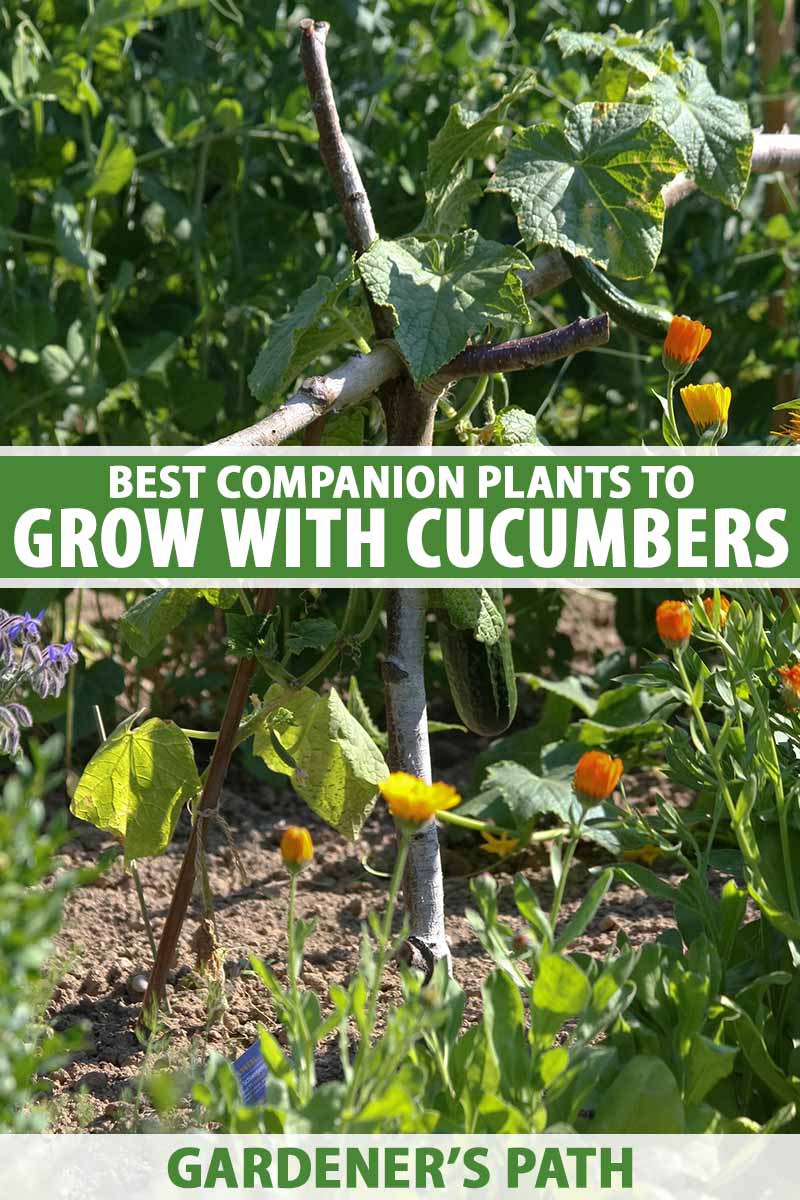
- Cucumbers and beans: Cucumbers and beans can both be trained to climb trellises or other supports. By planting them together, you can save space in your garden. Additionally, beans can help to shade the cucumbers, which can help to prevent them from getting sunburned.
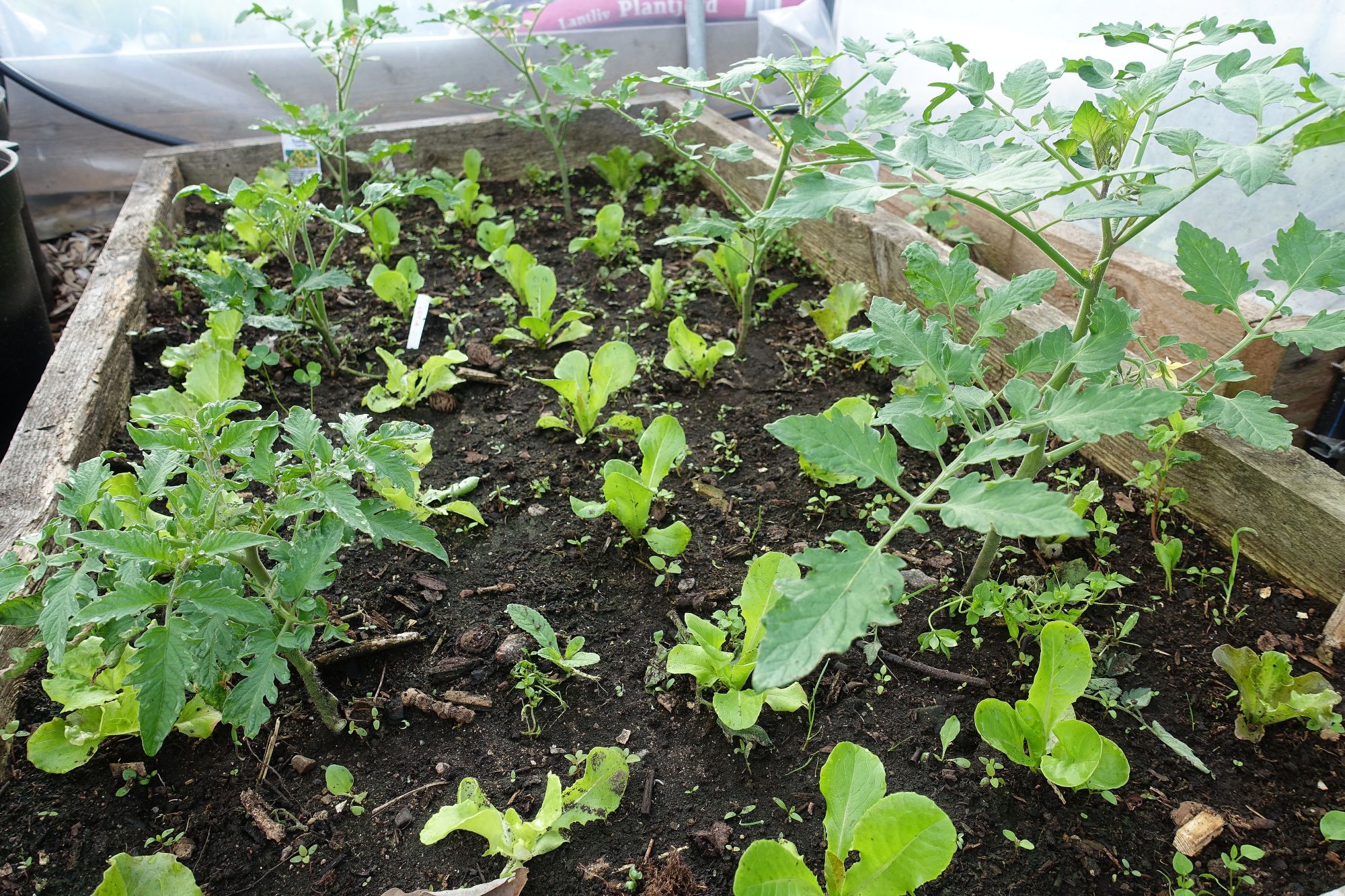
- Lettuce and tomatoes: Lettuce and tomatoes do not compete for the same nutrients, so they can be planted together without any problems. Additionally, lettuce can help to suppress weeds, which can free up your time to focus on other tasks.
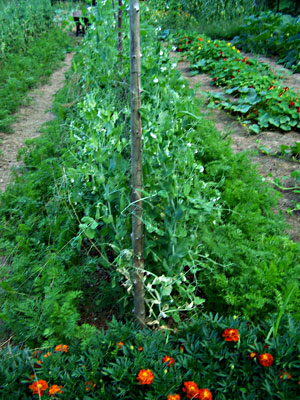
- Peas and carrots: Peas and carrots have different growth habits, so they do not compete for space. Additionally, peas can help to improve the soil quality, which can benefit the carrots.
- Spinach and tomatoes: Spinach and tomatoes can both be planted in the same bed, but they should be planted at different times. Spinach can be planted early in the season, and then tomatoes can be planted later. This will help to prevent the spinach from being shaded out by the tomatoes.

These are just a few of the many compatible vegetables that you can plant together. By doing some research, you can find other combinations that will work well in your garden.
Conclusion:
Companion planting is a great way to improve the growth, yield, and flavor of your crops. By planting compatible vegetables together, you can help to attract beneficial insects, improve the soil quality, and suppress weeds.
If you are new to companion planting, start by planting a few simple combinations. As you gain experience, you can experiment with other combinations to find what works best for your garden.
Are you looking for more information about compatible vegetables? Visit Home Gardening for a comprehensive list of vegetables that pair well together. You'll find recipes, cooking tips, and even a vegetable compatibility chart to help you create delicious and nutritious meals.
FAQ of compatible vegetables
- What are compatible vegetables?
Compatible vegetables are those that grow well together and can benefit each other. They may attract beneficial insects, repel pests, or improve the overall health of the soil.
- What are some examples of compatible vegetables?
Some examples of compatible vegetables include:
* Beans and peas: These legumes fix nitrogen in the soil, which benefits other plants.
* Carrots and onions: These plants repel each other's pests.
* Corn and beans: Corn provides support for beans, while beans fix nitrogen in the soil for corn.
* Lettuce and tomatoes: Lettuce shades the soil around tomatoes, which helps to prevent root rot.
* Peppers and marigolds: Marigolds repel pests from peppers.
- What are some vegetables that should not be planted together?
Some vegetables that should not be planted together include:
* Garlic and onions: These plants release sulfur compounds that can stunt the growth of other plants.
* Melons and cucumbers: These plants compete for water and nutrients.
* Potatoes and tomatoes: These plants are susceptible to the same diseases.
* Spinach and strawberries: Spinach releases substances that can inhibit the growth of strawberries.
- When should I start feeding my vegetables?
You should start feeding your vegetables in spring or summer, during the growing season. Few plants need fertiliser in the winter months, even if they are winter-flowering.
- How do I know if my vegetables are getting enough nutrients?
There are a few signs that your vegetables may not be getting enough nutrients. These include:
* Slow growth
* Pale leaves
* Small fruits or vegetables
* Yellowing leaves
If you see any of these signs, you may need to start feeding your vegetables.
Image of compatible vegetables
10 different images of compatible vegetables that are free to use:
- Carrots and beans: These two vegetables attract different pests, so they help to keep each other pest-free.
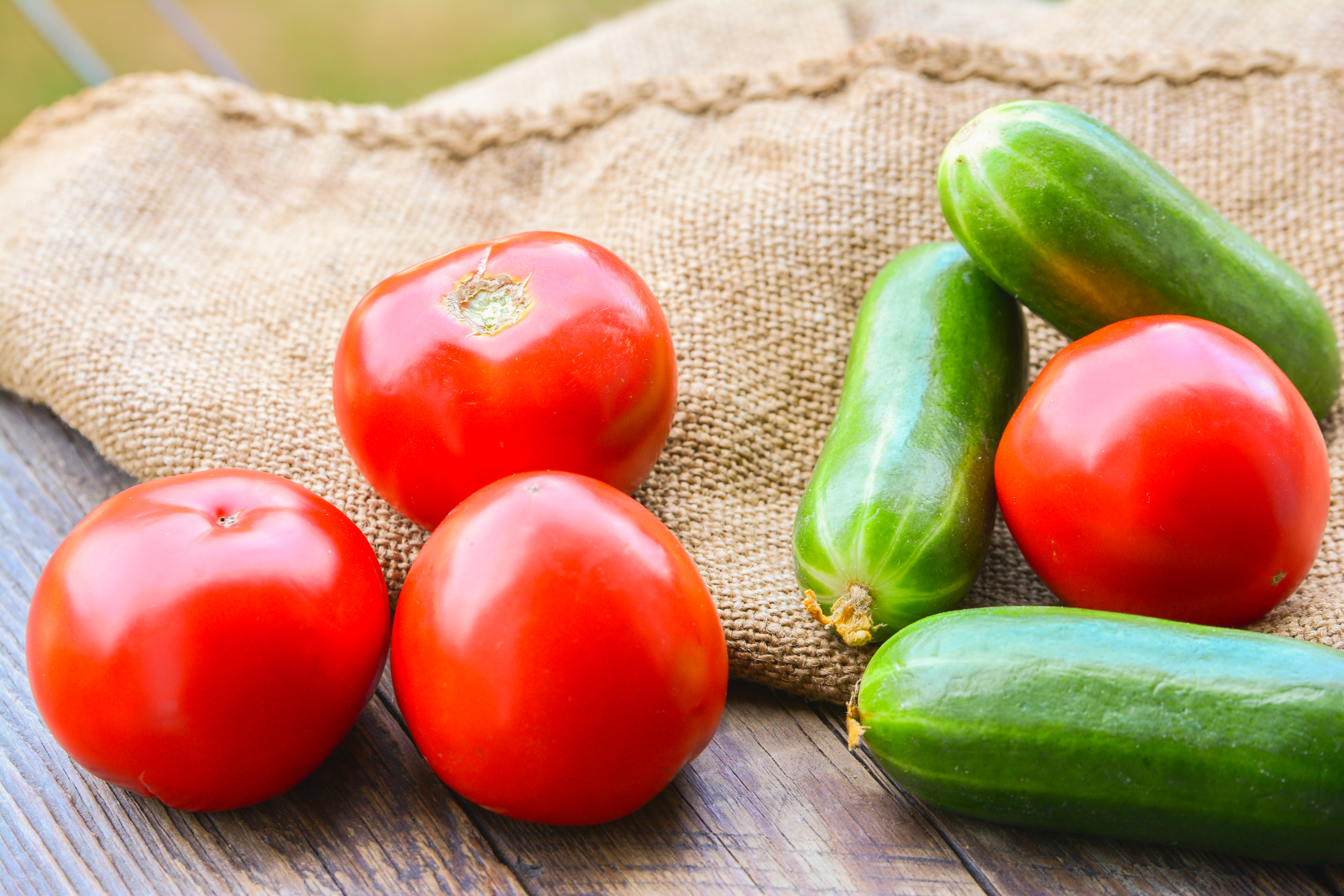
- Cucumbers and tomatoes: These two vegetables benefit from each other's shade, and they also help to attract pollinators.
- Lettuce and carrots: These two vegetables have similar nutrient requirements, and they also help to protect each other from pests.
- Peas and corn: Peas fix nitrogen in the soil, which benefits corn. Corn provides shade for peas, which helps to protect them from the sun.
- Potatoes and beans: Potatoes and beans help to suppress each other's diseases.
- Radishes and tomatoes: Radishes help to repel pests from tomatoes.
- Spinach and carrots: Spinach helps to suppress pests from carrots.
- Swiss chard and onions: Swiss chard helps to repel pests from onions.

- Turnips and beans: Turnips help to suppress pests from beans.
- Zucchini and squash: These two vegetables help to attract pollinators.

Post a Comment for " Compatible Vegetables That Will Boost Your Garden's Yield"